fbpx
Play video

A journey through cinema

The Zoetrope project allows children to explore the fascinating world of Beta Movement

In the Zoetrope, young inventors will explore audiovisual and cinema concepts!

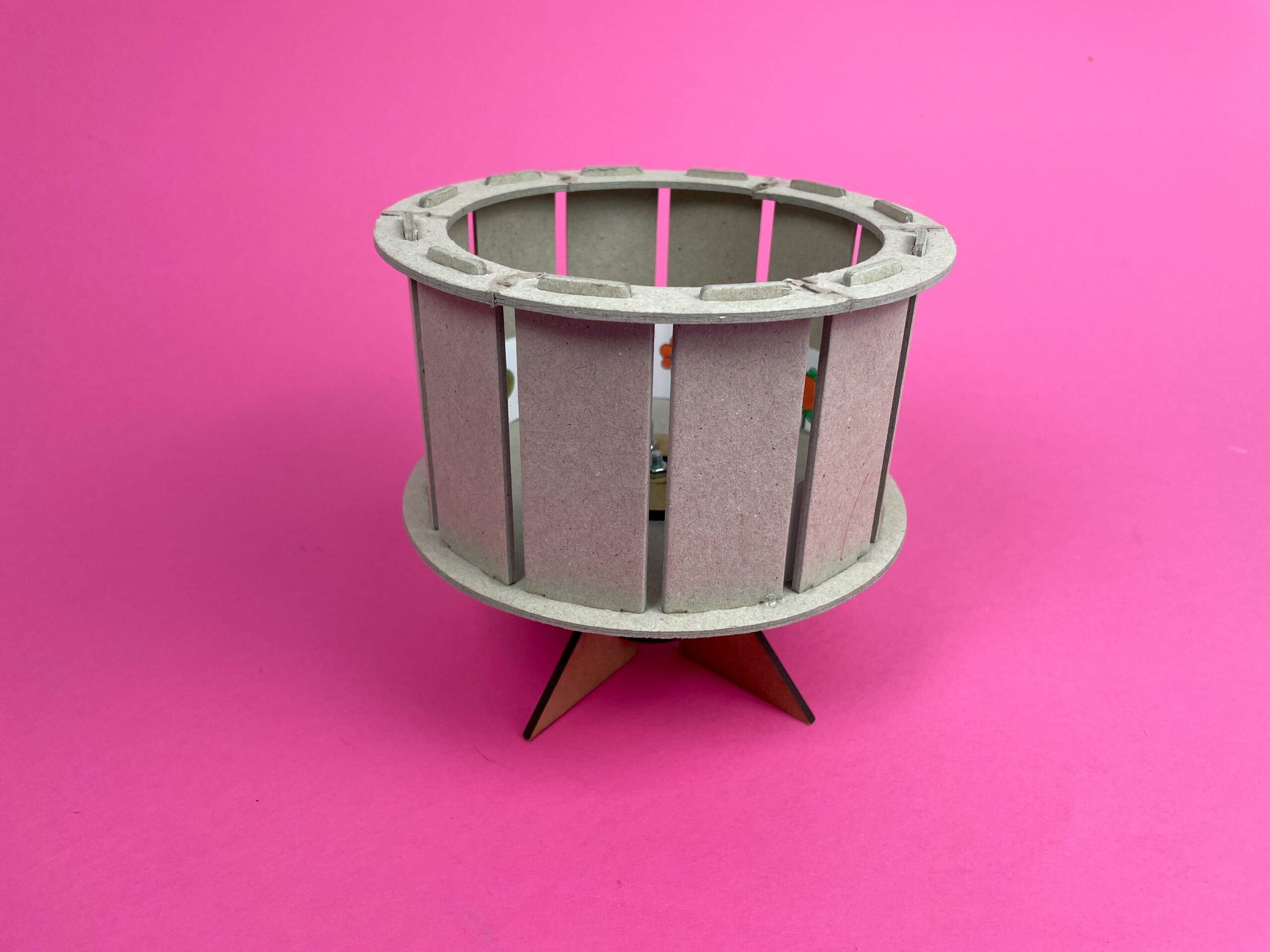
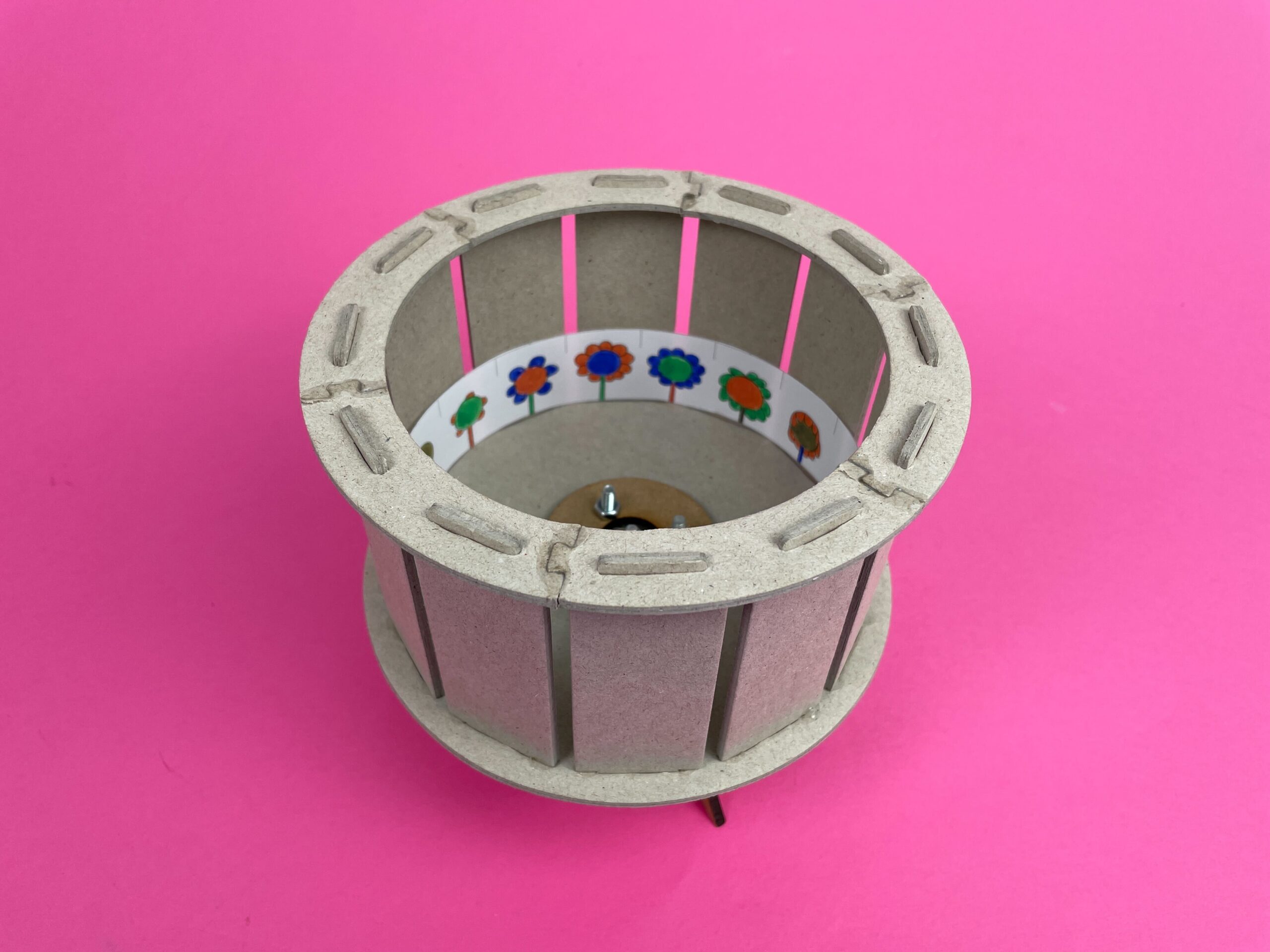
The “Zoetrope” experience is a practical and fun activity where students have the opportunity to create their own animations. Using a Zoetrope, an optical animation device, students assemble, illustrate, and spin their own image sequences, creating the illusion of movement. This process involves drawing, painting, and arranging “frames,” allowing participants to see their creations come to life as the device spins


About Inspiring Inventors

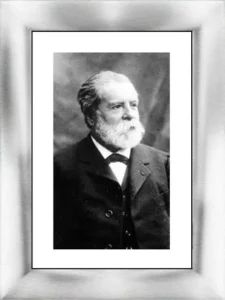
William George Horner

William George Horner

1786-1837

Was a British mathematician. Proficient in classics and mathematics, he was a schoolmaster, headmaster and schoolkeeper who wrote extensively on functional equations, number theory and approximation theory, but also on optics. His contribution to approximation theory is honoured in the designation Horner’s method, in particular respect of a paper in Philosophical Transactions of the Royal Society of London for 1819. The modern invention of the Zoetrope, under the name Daedaleum in 1834, has been attributed to him.

Ask William George Horner

The IA version of William George Horner answer your questions

This dialogue box uses artificial intelligence and is configured to respond exclusively to questions related to the project, its concepts and associated fields, as well as queries and curiosities about the history of each inventor. Questions outside this scope may not be answered. Always use under adult supervision.

Thank you for your understanding.


Concepts covered

Beta Movement

  • Beta Movement: The theory of Beta Movement was described by Max Wertheimer in 1912 and states that two or more stationary images, appearing one after the other, are perceived by the brain as a single moving image.

Photography, Frame, and Film

  • Photography, Frame, and Film: Photography is the capture of an image, a frame is a photograph among several sequential photographs, and a film is the passing of multiple frames at a speed equal to or greater than 24 frames per second. In the zoetrope, each image can be compared to a frame, for example.

Why This Project?

The Zoetrope project was created with three main objectives:

  1. Understanding the importance of concepts: By assembling and operating the Zoetrope, students learn about cinema and audivisual concepts
  2. Explaining the relevance on nowadays: Explain to the young inventors that inventions and discoveries related to the Zoetrope continue to influence current technology, including augmented reality (AR) and virtual reality (VR), which rely on motion illusion and visual perception.
  3. Focus in Creativity and an Inventive Spirit: By taking part in this  process, children develop skills such as problem-solving, critical thinking, and motor coordination.

At the end of the session, in addition to building a Zoetrope , the young inventors will also gain a new appreciation for the world of cinema

Together, let´s make a film full of imagination!

Challenges for you

Ask your young inventor what excited them most about the session, or challenge them to use the Zoetrope at home with the family!

For the boldest ones, why not share your experience with us, so we can share it on our social media?

Link para o Instagram


Together, let's turn creativity into a masterpiece of cinema