fbpx
Play video

Launch the Future

The Spfiummm project allows young inventors to explore the fascinating world of physics

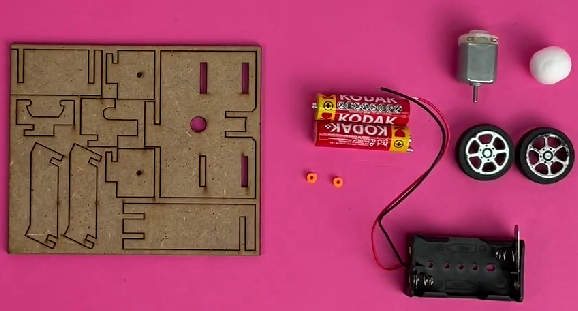
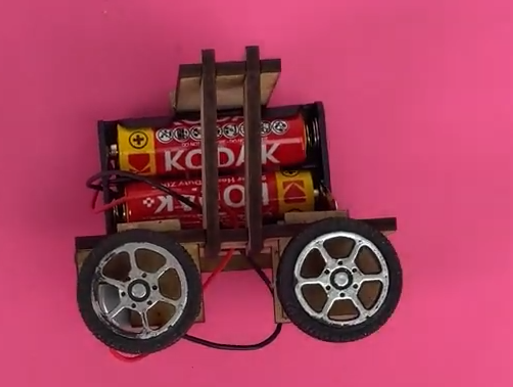
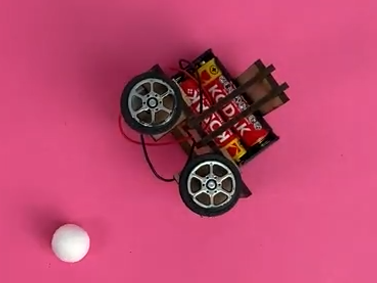
The Spfiummm is an experimental and educational project that transforms the traditional idea of a slingshot into a modern and sophisticated ball launcher. Inspired by old mechanisms used to launch projectiles, this project offers a safer, more controlled and scientific approach, allowing key physics concepts such as the mass of objects, inertia, motion and air resistance to be explored in a practical way

All of this takes place in a stimulating environment where children’s inventive and creative spirit is nurtured, promoting teamwork, spontaneity, and curiosity

About Inspiring Inventors

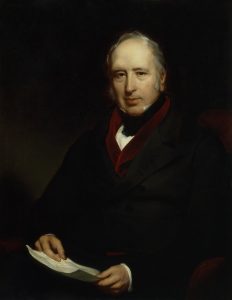
Sir George Cayley

Sir George Cayley

1773-1857

Was an english engineer, inventor, and aviator. He was a pioneer of aeronautical engineering and is sometimes referred to as “the father of aviation”, designing the first glider reliably reported to carry a human aloft. He is commonly credited as the first person to understand the underlying principles and forces of heavier-than-air flight: weight, lift, drag and thrust. He was also the inventor of the wire wheel.

Ask Sir George Cayley

The IA version of Sir George Cayley answers your questions

This dialogue box uses artificial intelligence and is configured to respond exclusively to questions related to the project, its concepts and associated fields, as well as queries and curiosities about the history of each inventor. Questions outside this scope may not be answered. Always use under adult supervision.

Thank you for your understanding.


Concepts covered

Mass of an object

  • Mass of an object – The mass of an object is the amount of matter it contains, measured in kilograms (kg). The greater the mass, the more difficult it is to change its state of motion. This property influences the object’s inertia, that is, its resistance to changes in speed or direction. Understanding mass is fundamental in physics, engineering and everyday situations, such as weight measurements.

Air resistance

Air resistance – also known as drag, is a force that opposes the movement of objects through the air. As objects such as a polystyrene ball are launched, they experience air resistance pushing against their motion. This force depends on factors such as size, shape and speed.

Why This Project?

The Spfiummm project was created with three main objectives:

  1. Exploring the concept of physics: In this project, through the construction of a ball launcher, which allows different launch conditions to be tested, the young inventors can compare results, formulate hypotheses, measure distances and better understand the forces involved in the movement of objects, gaining an understanding of physics concepts related to air resistance and the mass of an object.
  2. Understanding the Relevance of this experience in society: Through this experience, the young inventors learn that the concepts explored in the project have applications in several areas, such as science education, equipment design, engineering, sport and technology. Understanding how objects move and how forces act upon them is essential for creating more efficient, safe and sustainable solutions. Therefore, the Spfiummmm is not just a ball launcher: it is a tool for launching ideas, sparking curiosity and bringing science closer to the reality of everyday life.
  3. Encouraging Creativity and an Inventive Spirit: By taking part in this  process, children develop skills such as problem-solving, critical thinking, and motor coordination.

At the end of the sessions, children will also gain a newfound appreciation for the world of physics, celebrating their success by building the Spfiummm

Together, Let’s defy air resistance!

Challenges for you

Ask your young inventor what excited them most in the lessons — or try out the Spfiummm as a family!

For the more adventurous, how about sharing the impact of those decisions with us on social media?

Link para o Instagram


Together, Let’s take imagination to full speed