fbpx
Play video

Supporting every fall with a vision for the future.

The Parachute Project allows young inventors to feel the adrenaline of curiosity

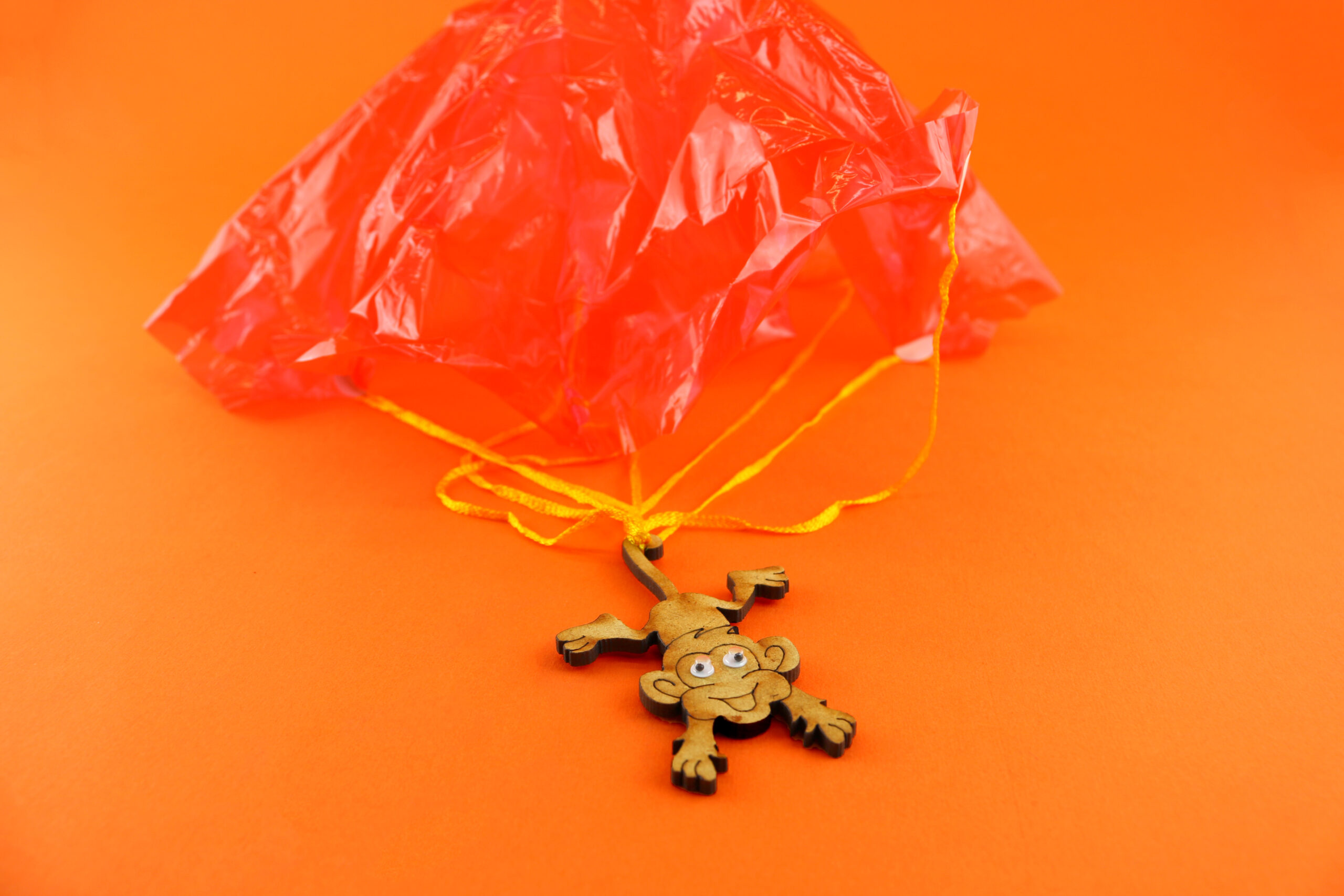
With this project, imagination leaps into the future. As they build the Parachute, young inventors will put their imagination to work just like a parachutist!

Through this experience, children have the opportunity to explore concepts related to air resistance – and feel the thrill of adrenaline!

All of this takes place in an inspiring environment that celebrates children’s inventive and creative spirit, encouraging teamwork, spontaneity, and curiosity.


AboutInspiring Inventors

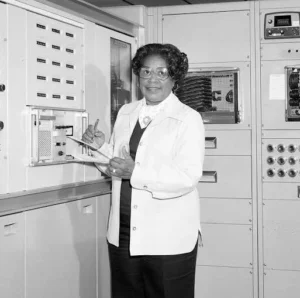
Mary Jackson

Mary Jackson

1921-2005

Mary Jackson was an American aerospace engineer at the National Aeronautics and Space Administration (NASA). She started at the segregated West Area Computing division in 1951, and in 1958, after taking engineering classes, she became NASA’s first black female engineer.After 34 years at NASA, Jackson had earned the most senior engineering title available. She realized she could not earn further promotions without becoming a supervisor. She accepted a demotion to become a manager of both the Federal Women’s Program, in the NASA Office of Equal Opportunity Programs and of the Affirmative Action Program. In this role, she worked to influence the hiring and promotion of women in NASA’s science, engineering, and mathematics careers.

Ask Mary Jackson

The IA version of Mary Jakson answer your questions

This dialogue box uses artificial intelligence and is set up to respond exclusively to questions related to the project, its concepts and associated fields, as well as doubts and curiosities about the history of inventors. Questions outside this scope may not be answered.

Always use under adult supervision!

Thank you for your understanding.


Concepts Covered

Air Resistence e Adrenaline

  • Air Resistence: It’s a form of friction. When a parachutist is falling, they push the air downward. In response, the air exerts a force on the parachute, pushing it upward. When the combined force of the parachutist and the parachute is greater than the force exerted by the air, they descend. When the force of the air on the parachute is greater, they rise. Pressure, force, and surface area are the key factors that make this happen! The force is equal to pressure multiplied by area.
  • Adrenaline: Also known as epinephrine, is a hormone produced by the adrenal glands. It helps regulate our cardiovascular system — increasing or decreasing heart rate and blood pressure depending on whether we are at rest or alert. It is released into the body in situations of anxiety or danger

Speed and acceleration

  • Speed: Is the ratio between the change in position and the time interval in which it happens. In other words, it relates the distance we travel to the time it takes. The greater the distance travelled in a shorter time, the higher the speed. Conversely, the greater the time interval and the shorter the distance, the lower the speed.
  • Acceleration: Is the ratio between the change in speed and the time interval in which it occurs. So, if you move at a constant speed, your acceleration is zero. If your speed increases, the acceleration will be greater the larger the change in speed.

Why this project?

The Parachute Project was created with three main goals:

1. Exploring Concepts like Adrenaline and Air Resistance:
In this project, young inventors will build their own Parachute, gaining insight into concepts such as adrenaline, air resistance, speed, and acceleration. The aim is for children to become aware of the real-world impact these scientific principles have.

2. Understanding the Relevance of these Concepts for the Future:
Through this experience, young inventors begin to grasp the importance of these ideas in shaping the future — particularly in the development of more efficient airborne vehicles, with lower fuel consumption, increased speed, and improved safety, thanks to advances in aerodynamics.

3. Encouraging Creativity and Inventive Spirit:
By taking part in the process, young inventors develop key skills such as problem-solving, critical thinking, and motor coordination.

At the end of the project, children will have gained a deeper understanding of aerodynamics and high-energy concepts like adrenaline — celebrating their success by building their very own Parachute. This experience propels their curiosity into the future!

Together, let’s challenge air resistance!

Challenges for you

Ask your young inventor what excited them the most about the lesson, or try using the Parachute together at home. Turn this moment into a fun experience for the whole family!

For the boldest inventors, send us your videos – we’d love to share your experiences on our social media. Make this project a memorable adventure for everyone!

Link para o Instagram


Together, let’s feel the adrenaline of creativity!