fbpx
Reproduzir vídeo

The science of music

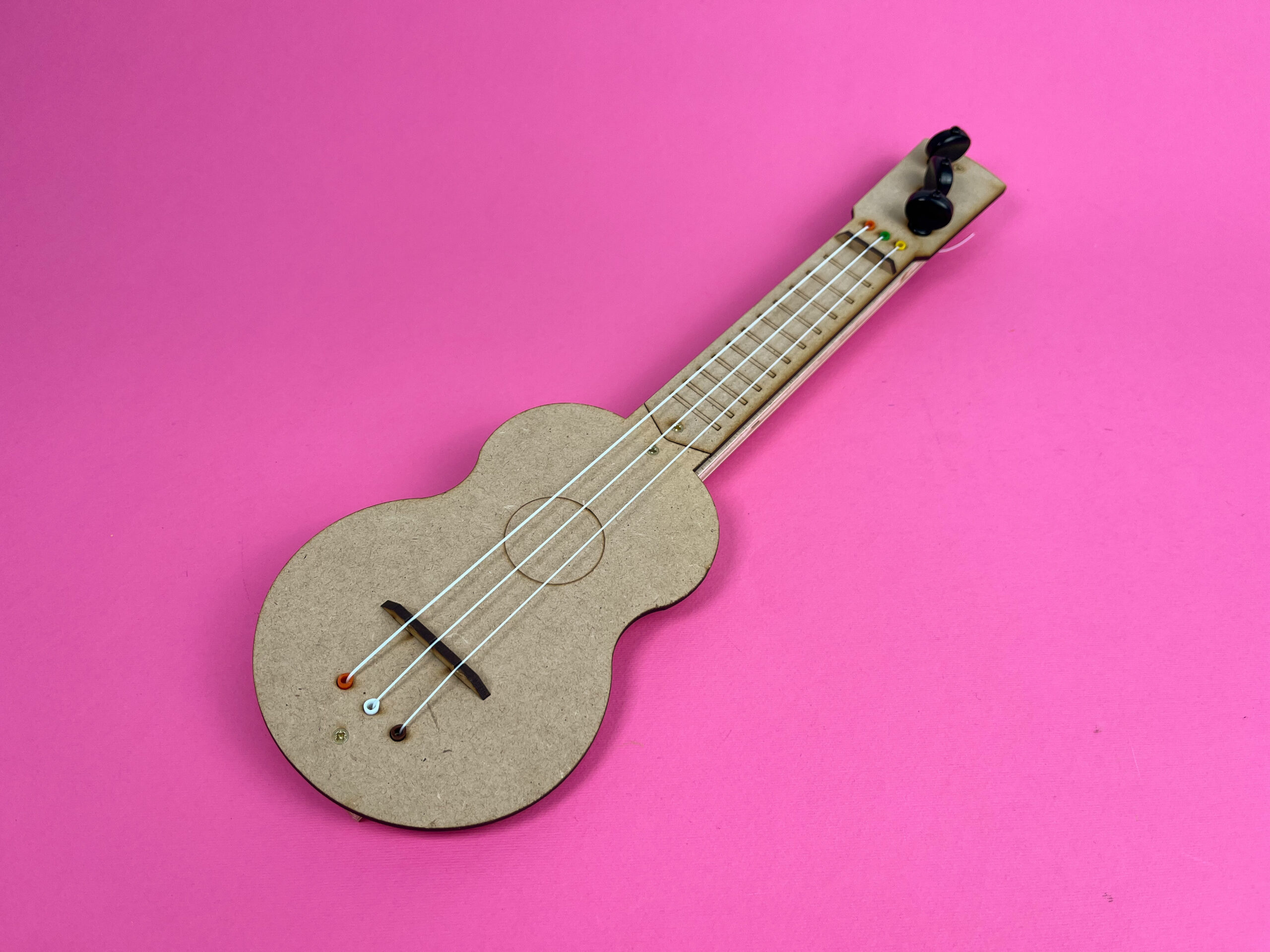
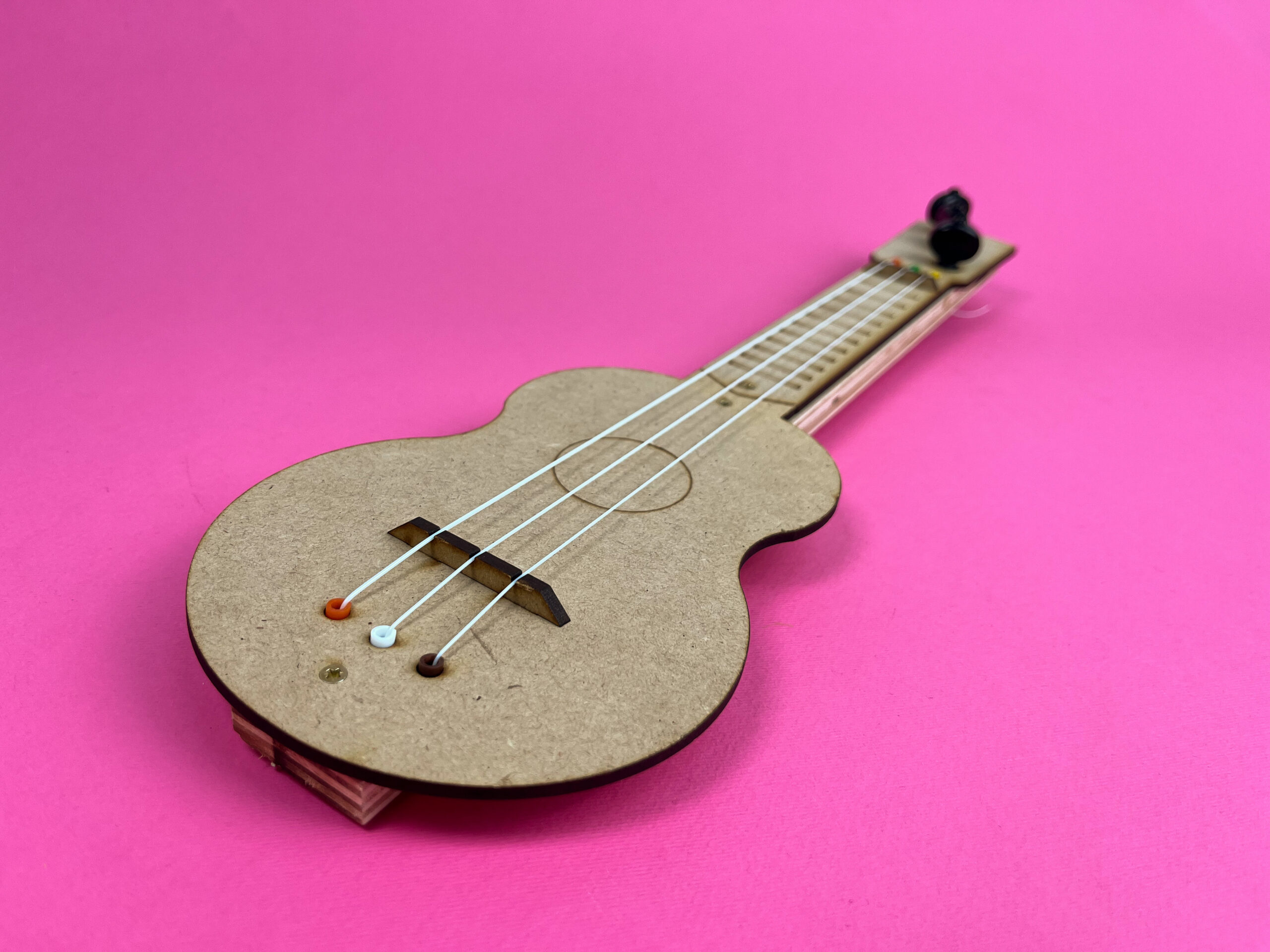
The Guitar project allows children to gain an understanding of concepts related to physics and instrument customization.

This project invites young inventors to create a Guitar, based on several concepts!

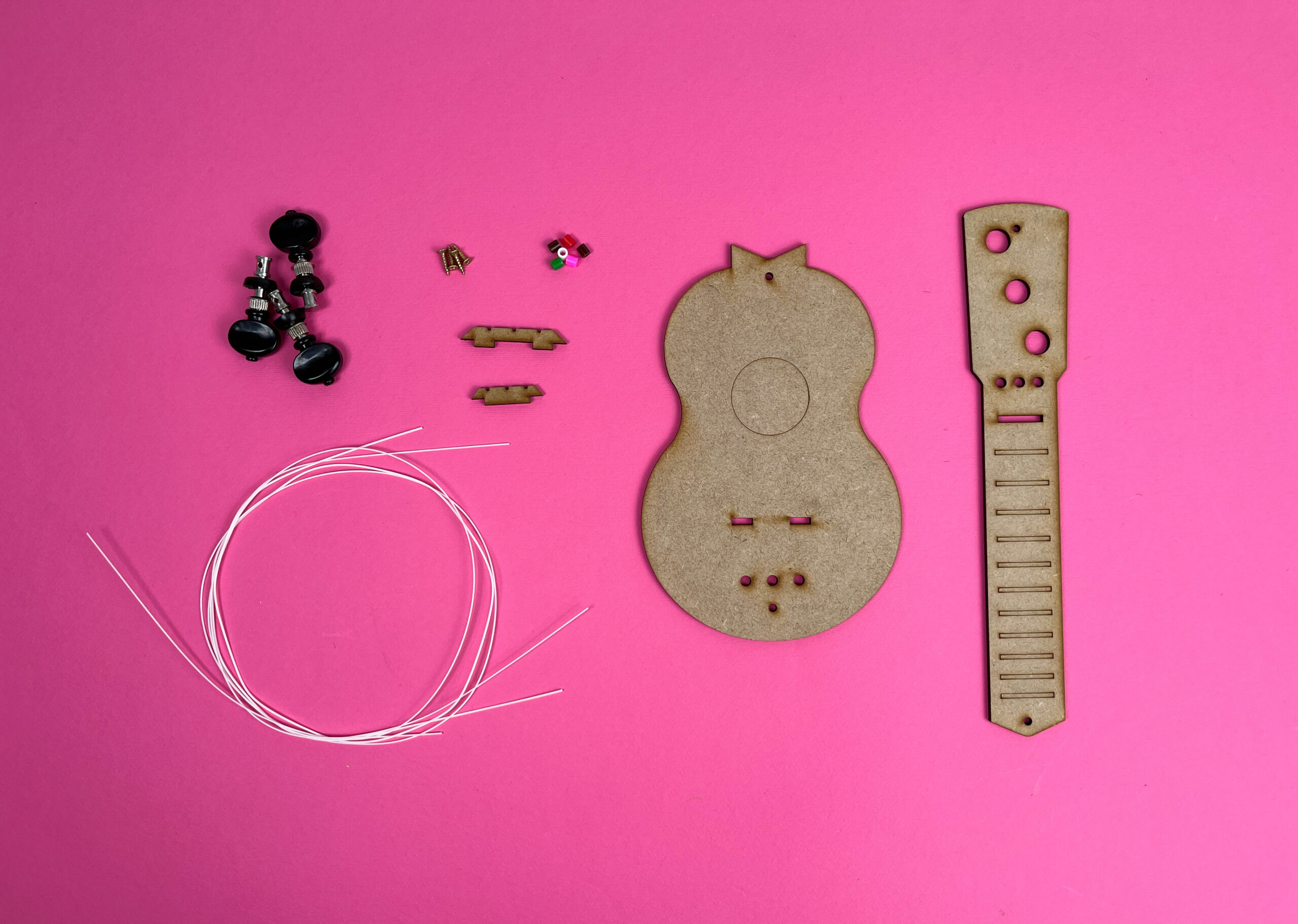
The Guitar is an educational project where young inventors build and customize their own guitars. During the classes, students will learn about instrument assembly and customization, starting with the construction of the guitar’s base structure, then proceeding to the placement of the strings and the installation of the tuning pegs.

This reflects the mission of inspiring future inventors to think “outside the box” and to apply their knowledge in creative and innovative ways.


About Inspiring Inventors

Les Paul

Les Paul

1915-2009

Was an American jazz, country, and blues guitarist, songwriter, luthier, and inventor. He was one of the pioneers of the solid-body electric guitar, and his prototype, called the Log, served as inspiration for the Gibson Les Paul. Paul taught himself how to play guitar, and while he is mainly known for jazz and popular music, he had an early career in country music.[1] In the 1950s, he and his wife, singer and guitarist Mary Ford, made numerous recordings, selling millions of copies.

Ask Les Paul

The IA version of Les Paul answer your questions

This dialogue box uses artificial intelligence and is configured to respond exclusively to questions related to the project, its concepts and associated fields, as well as queries and curiosities about the history of each inventor. Questions outside this scope may not be answered. Always use under adult supervision.

Thank you for your understanding.


Concepts covered

Tuning pegs and String vibration

  • Tuning pegs: Parts used to tune the strings by adjusting their tension.
  • String vibration: The vibration of the strings produces sound waves that determine the emitted sound.

Frequency and sound/ Tension and density of the strings

  • Frequency and sound: The frequency of the vibrations determines the pitch, which can be high or low.

  • Tension and density of the strings: These influence the speed of vibration and the tone of the produced sound.

Why This Project?

The Guitar project was created with three main goals:

Understanding the importance of concepts: In this project, young inventors gain an understanding of how useful physics concepts can be to play an instrument!

Understanding the impact on society: With the Guitar, young inventors learn that the continuous evolution of amplification technology and materials for instrument construction enables the development of new guitars and sounds. Current innovations, such as guitars with digital technology that simulate the sounds of various types of guitars and effects, are examples of future possibilities arising from the basic concepts explored in the experience.

Focusing on creativity and an inventive mindset: By taking part in this process, young inventors develop skills such as problem-solving, critical thinking and motor coordination. In the end, playing with the Guitar makes this experience even more special.

By the end of the session, young inventors gain a new appreciation for the world of music.

Together, we discover how physics can make good sound!

Challenges for you

Ask your young inventor what excited them most in class — or try out the Guitar together as a family!

For the boldest ones, how about sharing the impact of those concerts with us on social media?

Link para o Instagram


Together, let’s play with science