fbpx
Reproduzir vídeo

The Illusion of Colour

The Kaleidoscope project allows children to have fun and learn optical concepts related to the reflection of light

This project invites young inventors to build a Kaleidoscope!

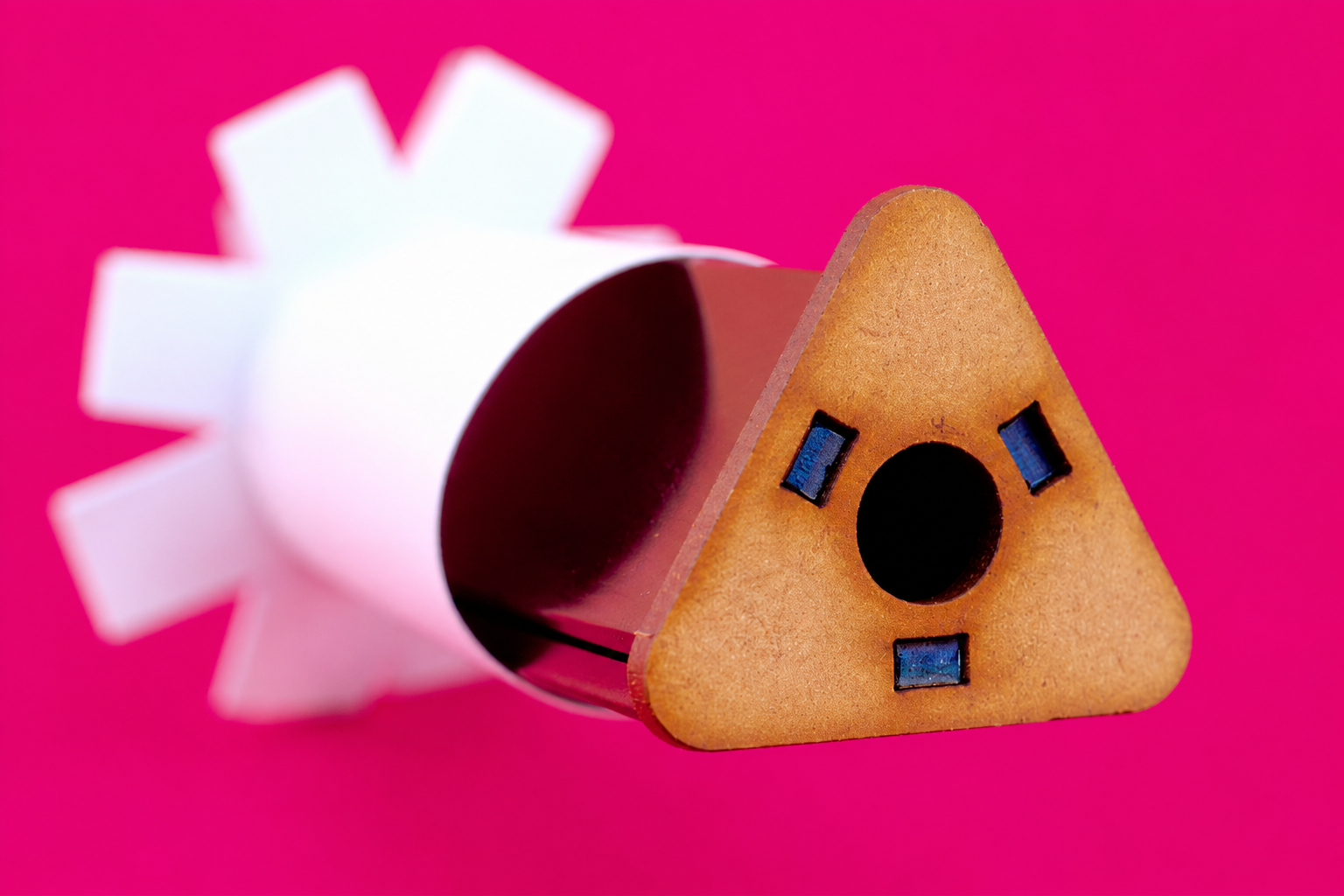
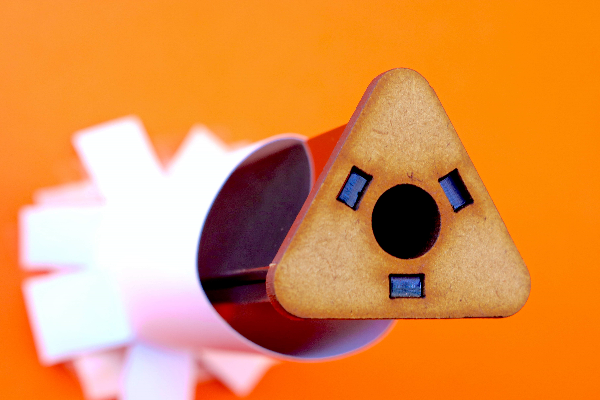
The Kaleidoscope is an educational project where young inventors build and customize their own Kaleidoscope. During the classes, young inventors will build a kaleidoscope, an optical instrument typically cylindrical, made of cardboard or metal, with an opaque glass bottom and small fragments of colored glass
and three mirrors inside. This interactive activity not only allows the children to create something beautiful and functional, but also fosters an understanding of scientific and symbolic concepts in creative and innovative ways

About Inspiring Inventors

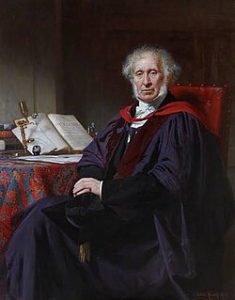
Sir David Brewster

Sir David Brewster

1781-1868

Was a british scientist, inventor, author, and academic administrator. In science he is principally remembered for his experimental work in physical optics, mostly concerned with the study of the polarization of light and including the discovery of Brewster’s angle. Brewster was a pioneer in photography. He invented an improved stereoscope, which he called “lenticular stereoscope” and which became the first portable 3D-viewing device. He also invented the stereoscopic camera, two types of polarimeters, the polyzonal lens, the lighthouse illuminator…and the kaleidoscope.

Ask Sir David Brewster

The IA version of Sir David Brewster answers your questions

This dialogue box uses artificial intelligence and is configured to respond exclusively to questions related to the project, its concepts and associated fields, as well as queries and curiosities about the history of each inventor. Questions outside this scope may not be answered. Always use under adult supervision.

Thank you for your understanding.


Concepts covered

Light Reflection

  • Light Reflection: It is the phenomenon that occurs when light strikes a surface and changes direction and/or orientation but remains in the same medium of propagation. In our daily lives, we are accustomed to seeing reflections, for example, when we observe the reflection of an image in water or in a mirror. In the case of the kaleidoscope, light is reflected on the acrylicplate, and as it changes direction several times, it forms a pattern

Why This Project?

The Kaleidoscope project was created with three main goals:

  1. Understanding the importance of concepts: In this project, young inventors are encouraged to explore complex concepts of physics in a practical and tangible way.
  2. Understanding the impact on society: With the Kaleidoscope projet, young inventors learn that as optical tech moves forward, more precise control of light paths could influence augmented reality, holographic displays, and, medical imaging tools. The basic principles behind a kaleidoscope still help students and engineers understand how light behaves in complex environments.
  3. Focusing on creativity and an inventive mindset: By taking part in this process, young inventors develop skills such as problem-solving, critical thinking and motor coordination.

By the end of the session, young inventors will see a more colourful future

Together, we discover how science can be reflected in our imagination

Challenges for you

Ask your young inventor what excited them most in the lessons — or try out the Kaleidoscope as a family!

For the more adventurous, how about sharing the impact of those decisions with us on social media?

Link para o Instagram


Together, let’s fill curiosity with colours