fbpx
Reproduzir vídeo

Clean Energy

The Solar House project allows children to explore the fascinating world of renewable energy

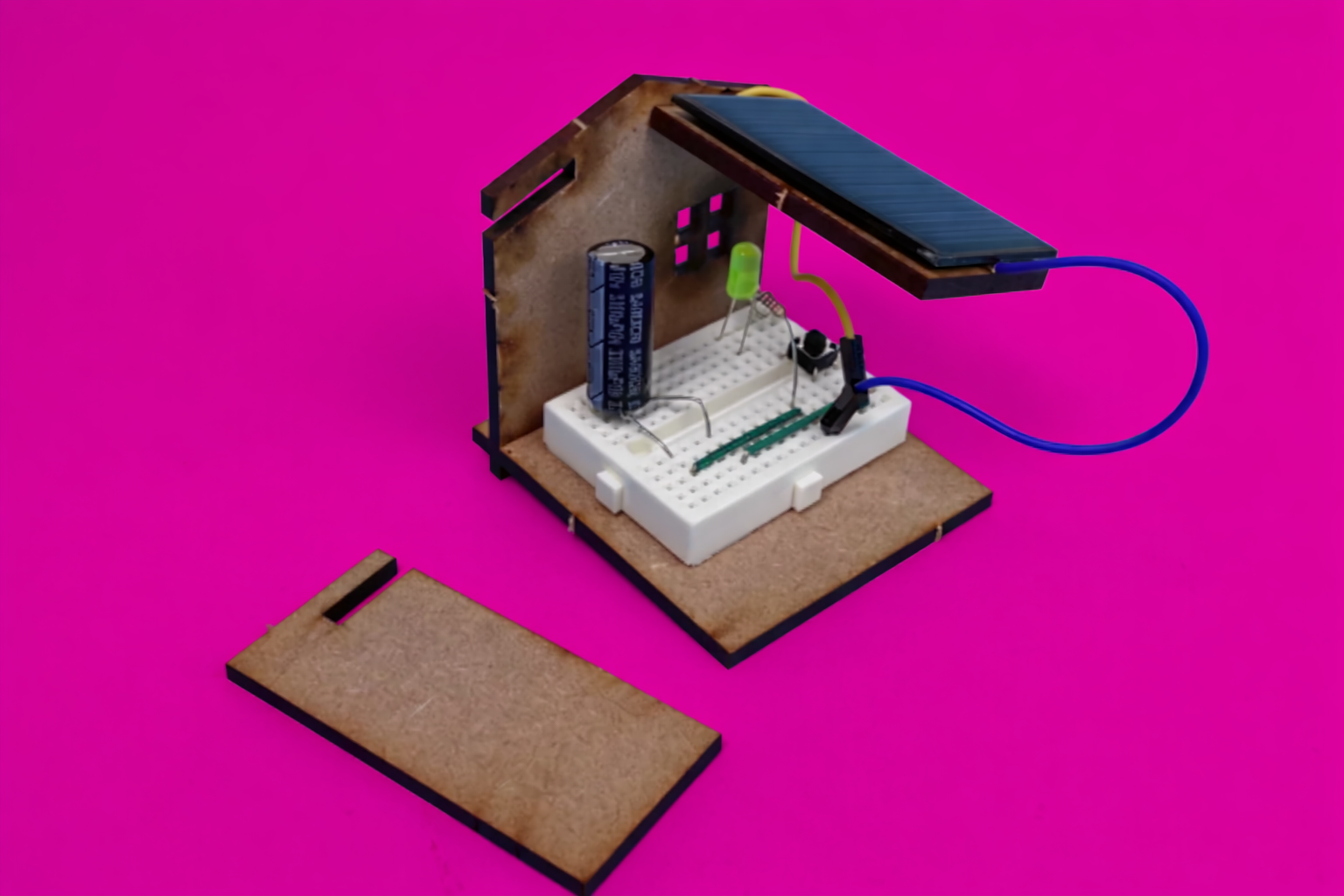
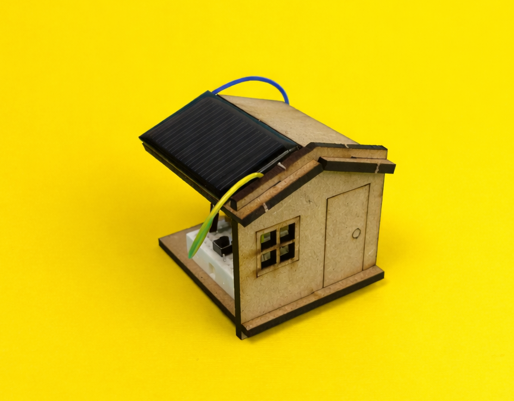
In the Solar House project, young inventors will build their very own solar-powered house while learning about sustainability and clean energy.

This hands-on experience allows children to explore important scientific concepts that were once investigated by pioneering scientists, in a practical and engaging way. It encourages them to discover the world around them with an inventive mindset and reflects our mission to inspire future inventors and innovators to think creatively and apply their knowledge in innovative ways.

About Inspiring Inventors

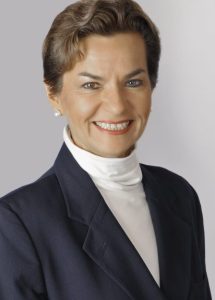
Christiana Figueres

Christiana Figueres

1956

She is a Costa Rican anthropologist, economist and diplomat whose work on international issues has spanned more than three decades. In July 2010, Figueres was appointed Executive Secretary of the United Nations Framework Convention on Climate Change (UNFCCC), taking office just six months after COP15 in Copenhagen. Over the following six years, she championed climate dialogue, promoting key principles such as transparency and international cooperation. She is widely regarded as one of the principal architects of the Paris Agreement. In 2016, Figueres was a candidate for the position of Secretary-General of the United Nations, in an election process that ultimately resulted in the selection of the Portuguese candidate António Guterres.

Ask Christiana Figueres

The IA version of Christiana Figueres answers your questions

This dialogue box uses artificial intelligence and is configured to respond exclusively to questions related to the project, its concepts and associated fields, as well as queries and curiosities about the history of each inventor. Questions outside this scope may not be answered. Always use under adult supervision.

Thank you for your understanding.


Concepts covered

Clean energy and solar energy

  • Clean Energy: Clean energy refers to renewable, alternative and sustainable sources of energy that produce little to no pollution or harmful waste. Because of their low environmental impact, they are considered environmentally friendly sources of energy.
  • Solar Energy: Solar energy is the energy obtained from the Sun’s light and heat. By capturing sunlight using solar panels, it can be converted into electricity with a high level of efficiency. As one of the most abundant and promising energy sources in the world, solar energy offers significant environmental and economic benefits. It is a renewable resource that is naturally replenished, helping to reduce reliance on fossil fuels while providing clean and sustainable electricity.

Solar panels

  • Solar Panels: also known as photovoltaic panels, are devices used to convert energy from sunlight into electricity. Photovoltaic solar panels are made up of solar cells, which are specially designed to capture sunlight and transform it into electrical energy. By harnessing the Sun’s power, solar panels provide a clean, renewable and sustainable source of electricity.

Why This Project?

The Solar House project was created with three main objectives:

  1. Understanding Key Concepts: By building their own Solar House, children learn about important concepts related to physics, the environment and sustainability.
  2. Exploring Real-World Relevance: Young inventors discover how clean energy is used in everyday life, from homes and public buildings to electric vehicles, charging stations and even space exploration.
  3. Encouraging Creativity and an Inventive Mindset: By taking part in this process, children develop valuable skills such as problem-solving, critical thinking and fine motor coordination.

By the end of the session, not only will young inventors have built their very own Solar House, but they will also have gained a new perspective on the importance of environmental responsibility and sustainable living.

Together, we will power the planet.

Challenges for you

Ask your young inventor what excited them most in the lessons — or try out the Solar House as a family!

For the more adventurous, how about sharing the impact of those decisions with us on social media?

Link para o Instagram


Together, we will spark curiosity