fbpx
Reproduzir vídeo

Launching the future

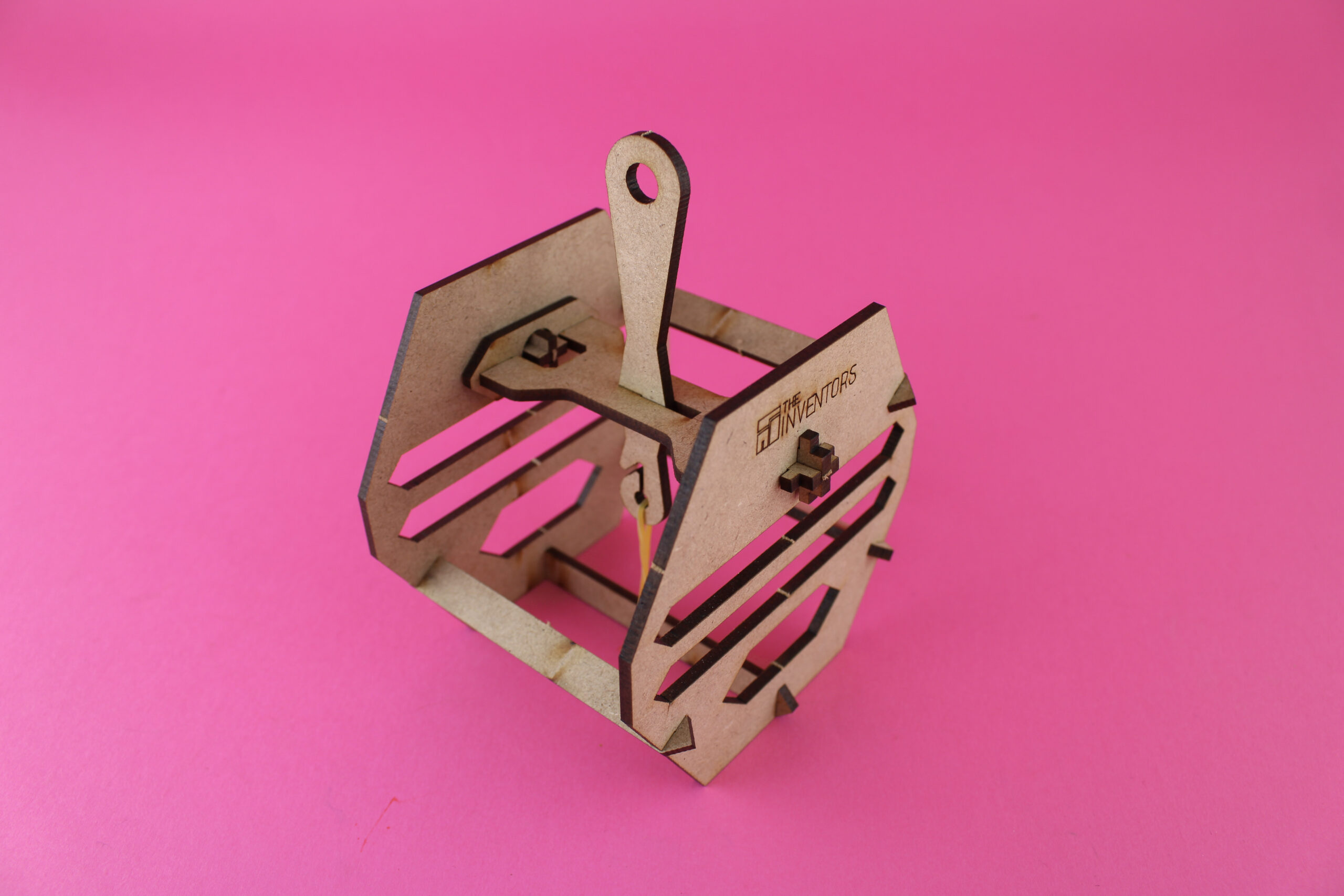
The Catapult project allows children to explore concepts such as elastic potential energy in a fun and hands-on way.

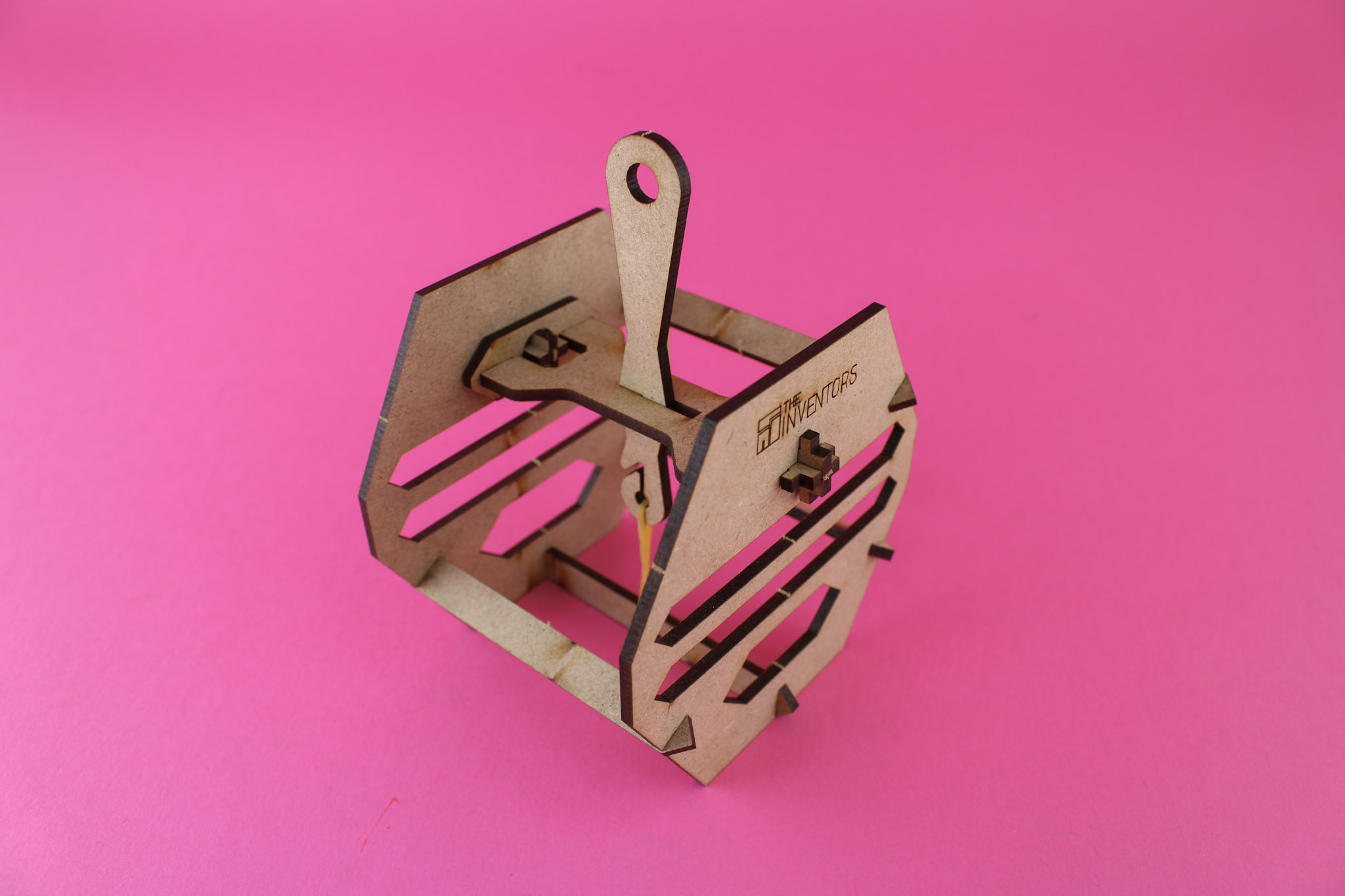
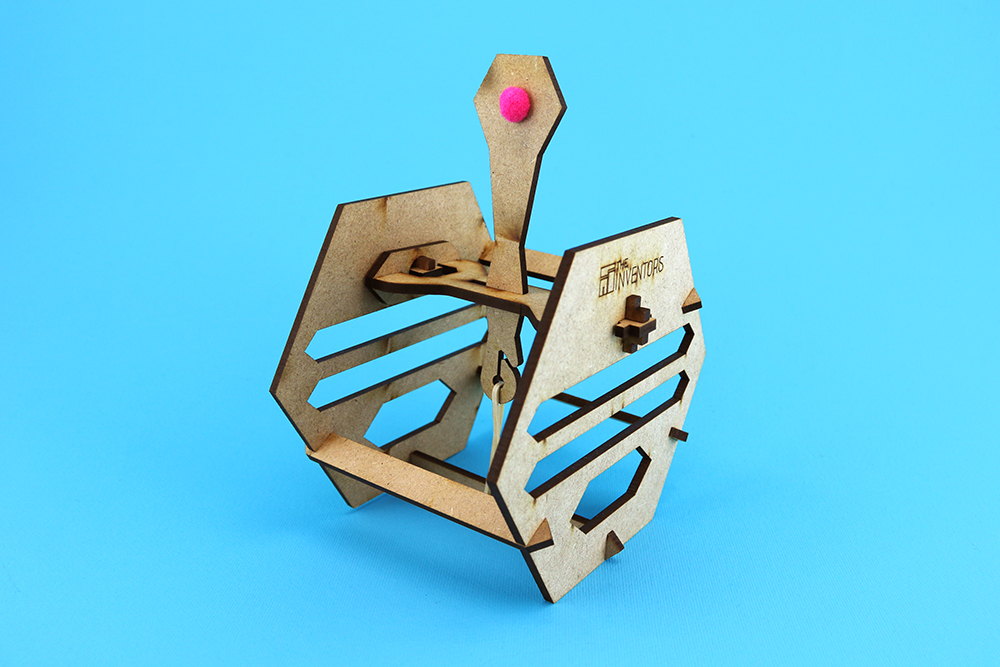
The Catapult experience transforms young inventors into medieval engineers, challenging them to build and operate a functional catapult. Using MDF parts and rubber bands, they will assemble the machine and launch projectiles made of jumping clay in an activity that combines construction, physics, and fun competition. 

This experience is a perfect example of The Inventors’ spirit, as it combines creativity, hands-on learning, and fun. It allows children to explore fundamental scientific concepts in an engaging and interactive way, fostering curiosity and a love for problem-solving, all while developing engineering skills and discovering the history behind inventions.

All of this takes place in a stimulating environment where the children’s inventive and creative spirit is celebrated, promoting teamwork


About Inspiring Inventors

Robin Hood

Robin Hood

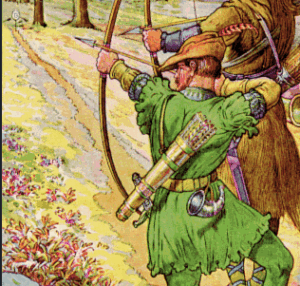
Robin Hood is one of England’s most famous legendary figures, known for tales of adventure, justice, and the fight against oppression, social inequality, and the redistribution of wealth during the late 12th and early 13th centuries. In an experience where inventors will build a catapult, with fun always at the forefront, we recall the scene from the film Robin Hood: Prince of Thieves (1991), where, under his command, his “Merry Men” stormed Nottingham Castle, launching barrels… with catapults. The legendary character from Nottingham is also famous for his use of the bow and arrow, where the concept of elastic potential energy is central to every action. The legend of Robin Hood has inspired countless adaptations, including books, plays, films, and television series. In fact, Sherwood Forest and the city of Nottingham are now major tourist destinations closely associated with the Robin Hood myth.

Ask Robin Hood

The IA version of Robin Hood answer your questions

This dialogue box uses artificial intelligence and is configured to respond exclusively to questions related to the project, its concepts and associated fields, as well as queries and curiosities about the history of each inventor. Questions outside this scope may not be answered. Always use under adult supervision.

Thank you for your understanding.


Concepts covered

Elastic Potential Energy

  • Elastic Potential Energy: an object is stretched, it stores elastic potential energy.This happens, for example, when we inflate a balloon or stretch a spring. Once the tension is released, the object returns to its original shape, transferring the stored energy to the surrounding environment—in this case, to the projectile.

Firts law of thermodynamics

  •  First Law of Thermodynamics:  This law states that a system neither creates nor destroys energy. Instead, it stores or transfers energy in the form of motion, heat, or both. We store mechanical energy when we pull back the “arm” of the catapult.  Upon releasing it, we transfer that energy to the projectile.

Why This Project?

 The Catapult project was designed with three main objectives:

1.Approaching physics and engineering in a fun way: In this project, the children will become medieval engineers, exploring concepts of construction, engineering, and physics. The catapult is a perfect example of The Inventors’ spirit, as it combines creativity, learning, and fun.

2.Understanding the future: Helping the children understand that the concepts associated with the catapult, such as elastic potential energy and the laws of thermodynamics, are still used in various modern inventions, from engines to energy storage systems.

3.Exploring the history behind inventions: This experience allows the young inventors to explore fundamental scientific concepts in an engaging and interactive way, all while developing engineering skills and discovering the history behind the inventions.

At the end of the sessions, the children will not only have built a Catapult, but will also gain insights into construction and physics.

Together, we discover how an ancient invention can create magic for the future!

Challenges for you

Ask your inventor about what excited them the most in the lessons and suggest a fun family activity: a Catapult Launching Championship. Place a cup 1-2 metres away, see who can hit the cup with the most “ammunition.” Record and share it with us on social media! We’d love to see those family derbies and highlight your championships!

Link para o Instagram


Together, let's make learning even more memorable and far-reaching!